Fuel Cells at the Crossroads: The Bold Bet on Hydrogen in an EV-Dominated World
The electric vehicle has become the dominant symbol of automotive transformation in the United States. Charging networks are expanding, tax incentives are flowing, and nearly every major automaker has committed to an electrified future. Yet a small but determined coalition of engineers, executives, and policymakers continues to place significant resources behind a fundamentally different technology — the hydrogen fuel cell. To dismiss this as wishful thinking would be premature. To crown it as the inevitable successor to the internal combustion engine would be equally misguided. The reality, as with most things in the automotive industry, is considerably more nuanced.
How Hydrogen Fuel Cells Actually Work
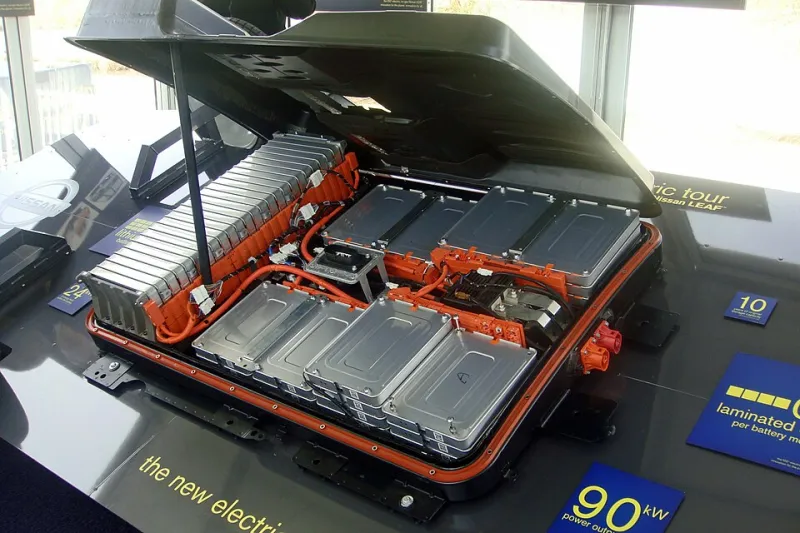
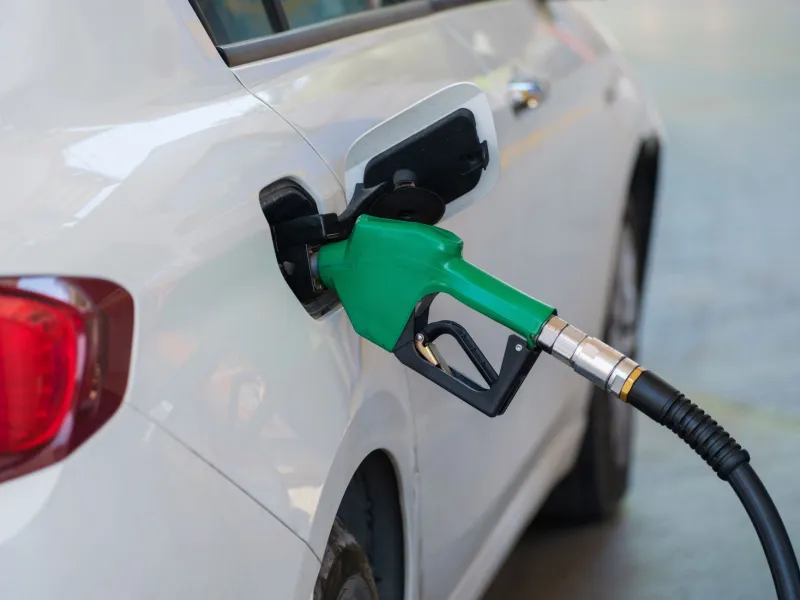
A hydrogen fuel cell vehicle, or FCEV, generates electricity through a chemical reaction between hydrogen and oxygen, producing water vapor as its only tailpipe emission. Unlike a battery-electric vehicle that stores energy in a large pack, an FCEV carries compressed hydrogen in a tank and converts it to electricity on demand. The result is a driving experience that closely mirrors a conventional gasoline vehicle — rapid refueling, no lengthy charging stops, and a range that can exceed 400 miles on a single fill.
This is not an emerging concept. Toyota introduced the Mirai to American consumers a decade ago, and Hyundai has offered the NEXO crossover as a viable alternative to battery-powered SUVs. Honda's CR-V e:FCEV, which combines a fuel cell with a small plug-in battery, represents the latest iteration of a technology that its proponents argue has been unfairly overshadowed rather than genuinely surpassed.
The Infrastructure Problem That Won't Go Away
If hydrogen fuel cell vehicles have a single, defining obstacle in the American market, it is infrastructure — and that obstacle remains formidable. As of 2025, the vast majority of public hydrogen refueling stations in the United States are concentrated in California. Drivers in Texas, Florida, or the Midwest face a landscape that is, for practical purposes, a hydrogen desert.
The comparison to early EV charging networks is frequently invoked by hydrogen advocates, and it carries some validity. A decade ago, finding a DC fast charger outside a major metropolitan area required careful planning and occasional improvisation. Today, the national charging network, while still imperfect, has expanded dramatically. Hydrogen proponents argue that similar investment and policy commitment could produce comparable growth for their technology.
However, the economics of hydrogen infrastructure present a distinct challenge. Building and operating a hydrogen fueling station costs significantly more than installing a bank of EV chargers. The hydrogen itself, when produced from renewable sources — so-called green hydrogen — remains expensive relative to grid electricity. Until green hydrogen achieves cost parity with conventional fuels, the financial case for broad consumer adoption is difficult to make.
Where Hydrogen Makes an Undeniable Argument
The most compelling case for hydrogen fuel cells may not be found in the passenger vehicle segment at all. Long-haul trucking, heavy-duty commercial transport, and fleet operations present conditions where battery-electric solutions face genuine limitations — and where hydrogen's advantages become concrete rather than theoretical.
A Class 8 semi-truck hauling freight across the country requires enormous energy density. Batteries capable of delivering that energy over hundreds of miles would add substantial weight and require charging times that disrupt commercial logistics. Hydrogen, by contrast, can be refueled in minutes and scaled to large vehicles without the weight penalties associated with massive battery packs. Companies including Nikola, Hyzon, and Toyota's commercial division have all pursued hydrogen powertrains for exactly this reason.
The Biden administration's infrastructure law allocated billions toward a national network of hydrogen hubs, with commercial transport explicitly identified as a priority use case. The Department of Energy's targets for reducing green hydrogen production costs reflect a policy recognition that hydrogen's future may be industrial as much as personal.
The Strategic Logic of Toyota and Hyundai
Among passenger vehicle manufacturers, Toyota and Hyundai stand apart in their sustained commitment to hydrogen. Toyota, in particular, has invested in fuel cell technology for decades and holds a commanding portfolio of related patents. The company's position is not simply technological stubbornness — it reflects a genuine belief that a diversified energy ecosystem is more resilient than one dependent entirely on a single solution.
Hyundai has pursued an even broader hydrogen strategy, investing across the entire value chain from production to distribution to end-use vehicles. The company's HTWO brand serves as a dedicated hydrogen and fuel cell business unit, signaling that Hyundai views this technology as a long-term commercial platform rather than a boutique offering.
Both automakers are also keenly aware of markets beyond the United States. Japan, South Korea, and Germany have made hydrogen central to their national energy transition strategies. For global manufacturers, maintaining hydrogen competency is as much about serving those markets as it is about winning American consumers.
Will American Drivers Ever Embrace Hydrogen?
The honest answer is that widespread consumer adoption of hydrogen passenger vehicles in the United States faces long odds in the near term. The combination of limited refueling infrastructure, higher vehicle costs, and a rapidly maturing EV charging network creates a competitive environment that is difficult to navigate. California's hydrogen market, which has been the primary proving ground for FCEVs, has experienced its own turbulence, with some station operators reducing capacity or closing altogether.
Yet the automotive industry has a long history of technologies that seemed peripheral before becoming foundational. Hydrogen may ultimately carve out a durable and economically significant role in commercial transport, fleet operations, and industrial applications — even if the dream of a hydrogen-powered family sedan parked in every American driveway remains distant. For the engineers and executives who continue to invest in fuel cells, that may be precisely enough to justify the gamble.