The $50,000 Question: What It Actually Costs to Go Electric in America in 2025
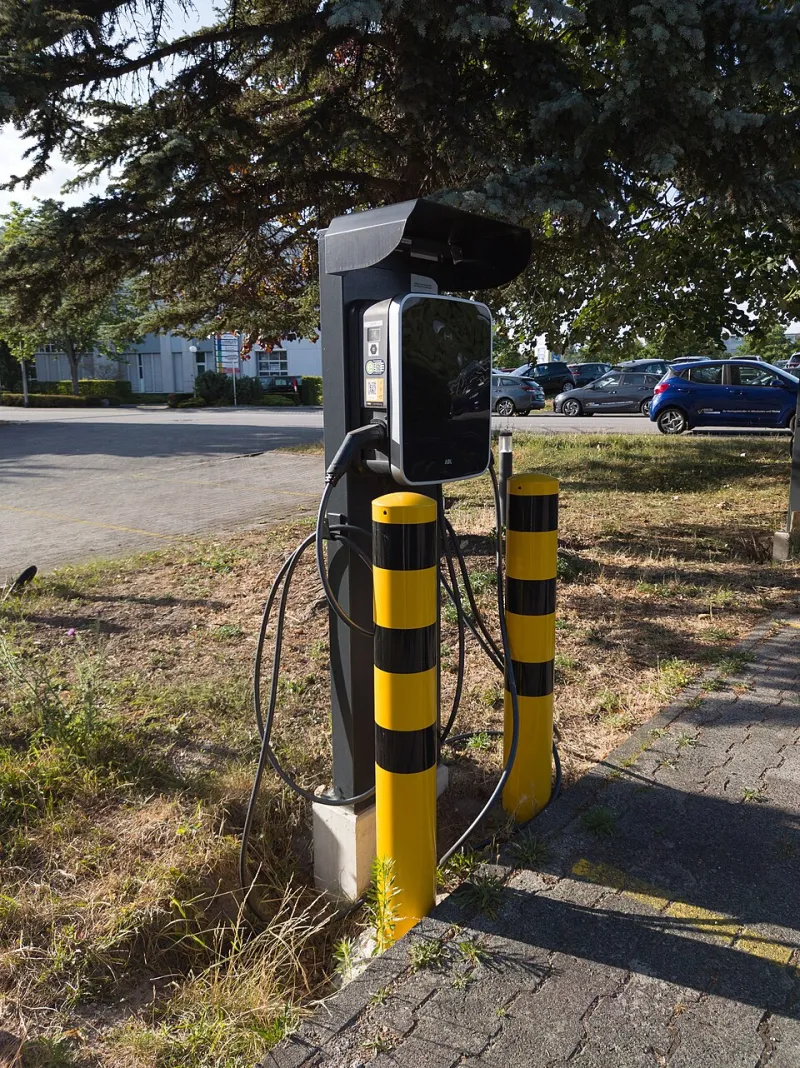
Photo: Matti Blume, CC BY-SA 4.0, via Wikimedia Commons
The average transaction price for a new electric vehicle in the United States hovers near $55,000 — a figure that sits uncomfortably above the roughly $48,000 Americans pay for a new vehicle of any kind. For a middle-class household weighing its first EV, the gap between aspiration and affordability has become the defining tension of the 2025 market.
But the purchase price, sizable as it is, is only one line on a longer ledger.
The Sticker and the Fine Print Beneath It
Automakers have responded to slowing EV growth with a wave of discounts and lease deals, and in some segments the effective price of an electric crossover now undercuts its gasoline equivalent. The Chevrolet Equinox EV, for instance, was engineered specifically to break the $35,000 barrier after incentives. Yet incentives are a moving target. The federal clean vehicle credit — up to $7,500 — depends on battery sourcing rules, assembly location, and the buyer's own income, and its political future remains uncertain. A shopper who delays a purchase by six months may find the math has changed entirely.
State programs complicate the picture further. California, Colorado, and New York offer meaningful rebates, while a handful of states have added EV registration fees designed to replace lost gasoline tax revenue. The net effect: two buyers in neighboring states can pay thousands of dollars differently for the identical vehicle.
The Garage That Isn't Ready
Few first-time buyers budget for the wall behind the car. Level 2 home charging — the practical baseline for EV ownership — typically requires a 240-volt circuit, and installation costs range from a few hundred dollars in a straightforward garage to $2,000 or more if a panel upgrade is needed. Renters and condo dwellers face a harder problem still: without dedicated parking, public fast charging becomes the default, and at 35 to 50 cents per kilowatt-hour, the fuel savings that justify EV ownership begin to evaporate.
Insurance, Repairs, and the Hidden Premium
Insurers have taken note of expensive battery packs and sensor-laden bumpers. EV policies often run 15 to 25 percent above comparable gasoline models, driven by repair costs rather than accident rates. Minor collisions that would total a conventional sedan's repair bill can approach battery enclosure damage, pushing claims toward total loss. Shopping insurers aggressively — and confirming EV-specific coverage — is now part of due diligence, not an afterthought.
Is the Used Market the Real On-Ramp?
Here the news turns genuinely encouraging. The first wave of leased EVs from 2021 through 2023 is returning to market in volume, and depreciation on electric vehicles has been steep — often 50 percent or more over three years. A three-year-old Tesla Model 3, Nissan Ariya, or Ford Mustang Mach-E can be found in the mid-$20,000s, frequently with battery warranty remaining. For buyers who can charge at home, this may be the most rational entry point the EV market has ever offered.
The used route carries caveats: battery health reports matter, early software support can be inconsistent, and the federal credit for used EVs is smaller and more restrictive. But for a household earning the national median income, a certified pre-owned electric car may finally represent the practical middle-class on-ramp that new-car pricing has failed to deliver.
The puzzle isn't whether EVs make sense. It's whether the market will let the people who want them actually afford them.